
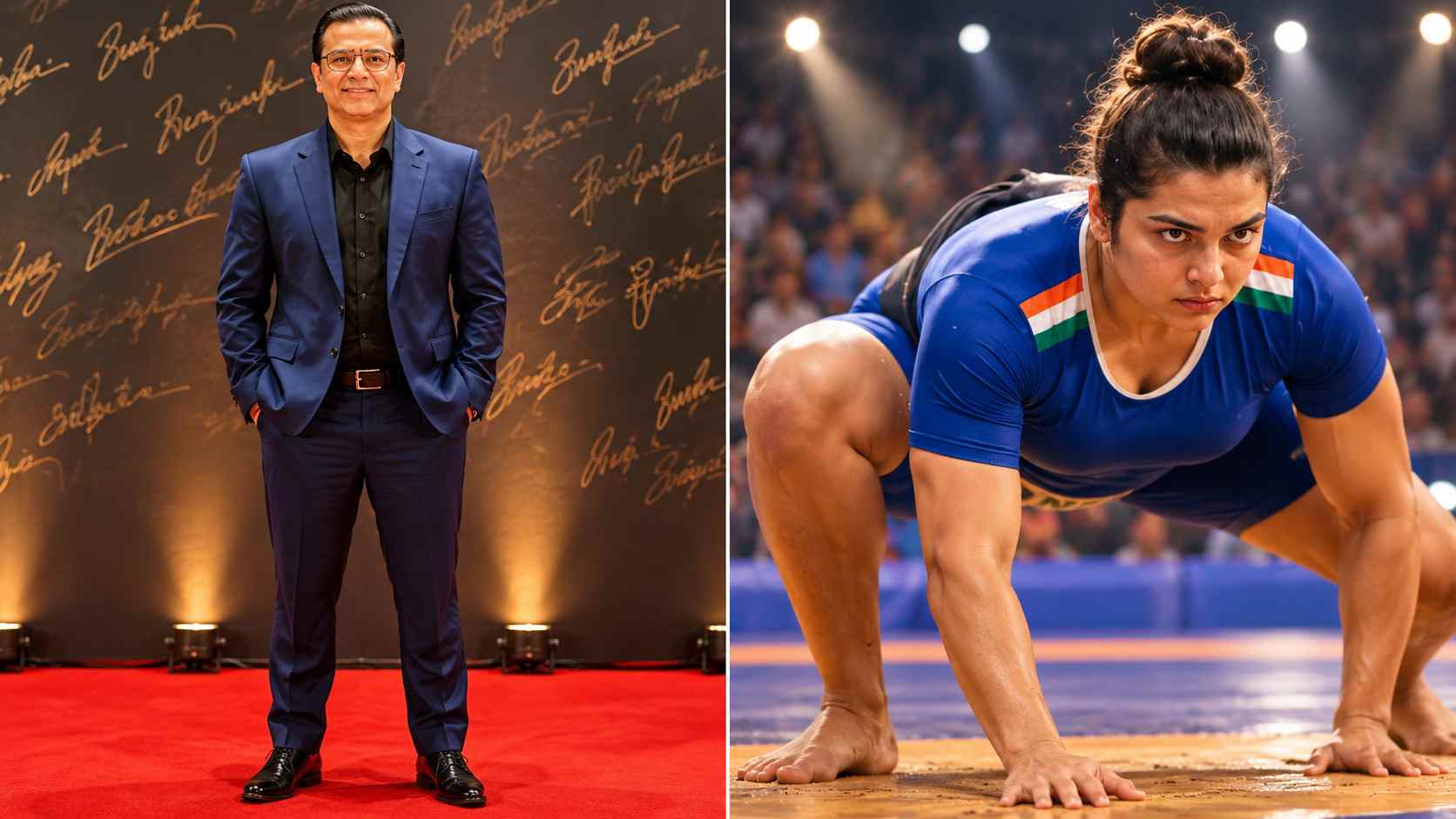
Director Jayant Rohatgi discussed his vision behind the film, Hetal Dave’s inspiring journey, and the key takeaways audiences can expect from Sumo Didi. The film is currently available to stream on Zee5.
Q. When did you realise that Hetal Dave’s real-life journey deserved to be brought to the big screen?
Jayant Rohatgi: When Arunava Joy Sengupta introduced me to Hetal’s story, I was struck by how it seemed like a case of truth being more unbelievable than fiction. The scale of her ambition left a lasting impression on me. I started thinking about what an ordinary day in her life might look like. How did she find the strength to get up every morning and continue pursuing her dream when so few people supported her? That became my starting point for the film.
Hetal’s journey initially came to the notice of screenwriter Nikhil Sachan and Freshlime Films producers Akash Chawla and Joy Sengupta through a brief newspaper report. They subsequently contacted Hetal and worked on the initial draft of the story. By the time I joined the project, Jio Studios had already given the film its approval.
We then revisited the screenplay and started developing it from scratch. Listening to Hetal narrate her experiences and talk about her life during this process further reinforced my conviction about the story we wanted to bring to audiences.
Q. Sumo wrestling is not a familiar sport to a large section of Indian audiences. Did you envision the film more as a sports biopic or a story about body positivity?
Jayant Rohatgi: My first instinct was to approach it as the journey of an individual striving to achieve an extraordinary dream. I didn’t set out to make a film centred on body positivity; that aspect naturally became part of the narrative as her journey unfolded. I wanted to explore what kept Hetal motivated, especially during moments when she struggled to believe in herself. Her life already offered plenty of emotional depth and conflict. I felt the storytelling needed to remain authentic, allowing those emotions to come through her decisions and personal relationships.
When someone faces years of criticism and is constantly underestimated, the opinions of others can gradually influence their own perception of what they can achieve. For Hetal, challenging the world also involved overcoming the limitations she had begun to place on herself. I felt this internal conflict deserved particular attention, especially during the quieter portions of the film.
Sumo was an unfamiliar territory for me as well. We took the opportunity to understand not just the sport’s rules and techniques but also its cultural history, traditional practices, and the physical and psychological discipline involved. We travelled to Japan before filming the wrestling sequences, which helped us recreate the wrestling ring and environment of an international tournament with greater authenticity.
My intention was to introduce audiences to Hetal’s different sides, including her struggles, humour, frustration, determination and evolving confidence. By the time viewers see her competing, they should have a clear understanding of the sacrifices and hardships that brought her to that point.
Q. Were you concerned that the film’s focus on body positivity could take attention away from Hetal’s achievements as a professional athlete?
Jayant Rohatgi: I was aware that this could happen. It was important to me that viewers recognised Hetal’s sporting abilities and dedication alongside her courage. Her dream was to represent India and win, and we needed to portray that ambition with the seriousness it deserved.
We brought professional sumo wrestlers on board alongside Shriyam because the wrestling sequences had to look convincing. Audiences needed to feel invested in her performance, wondering how she would tackle her opponents, whether she could stand her ground and how she would deal with defeats and challenges.
As Hetal gradually becomes more proficient in the sport, our perception of her body also begins to evolve. I believe these two dimensions of her journey are interconnected. By portraying her as a dedicated and capable athlete, the film allows the idea of body acceptance to emerge organically through her sporting journey.
Q. Hetal’s mother seems to view her daughter’s future largely through the lens of marriage and social acceptance. Did you intend to portray her as an antagonist or someone influenced by the same societal prejudices she imposes on Hetal?
Jayant Rohatgi: I never considered Sudha to be merely an antagonist. She genuinely loves her daughter, but her understanding of what constitutes a secure and comfortable future for Hetal comes from her own experiences and circumstances.
She has brought up two children with limited financial resources, witnessed her sister enjoy the security that came with marrying into a financially well-off family, and seen her sister-in-law’s marriage fall apart after an accident affected her appearance. These experiences have shaped her outlook. She wants her daughter to have a comfortable life, and marriage is the only dependable option she has come to understand and believe in.
The same social judgments that Sudha imposes on Hetal are beliefs she has internalised over the years. Although she wants to protect her daughter from hardships, she unknowingly becomes responsible for causing some of the very pain she hopes to prevent. I wanted to retain her affectionate, humorous and caring side, even during the most intense disagreements between the mother and daughter.
Their decision to give sumo wrestling a chance for one year brings out this difference in their perspectives. Hetal looks at it as an opportunity to pursue her dream, while Sudha is concerned about everything her daughter might have to give up in the process. Both women believe they are making decisions in the best interest of Hetal’s future.
I find their relationship particularly touching because their love for each other never disappears. However, Sudha eventually needs to understand that Hetal can choose a path different from the one she had imagined without necessarily making the wrong decision.


Leave a Reply